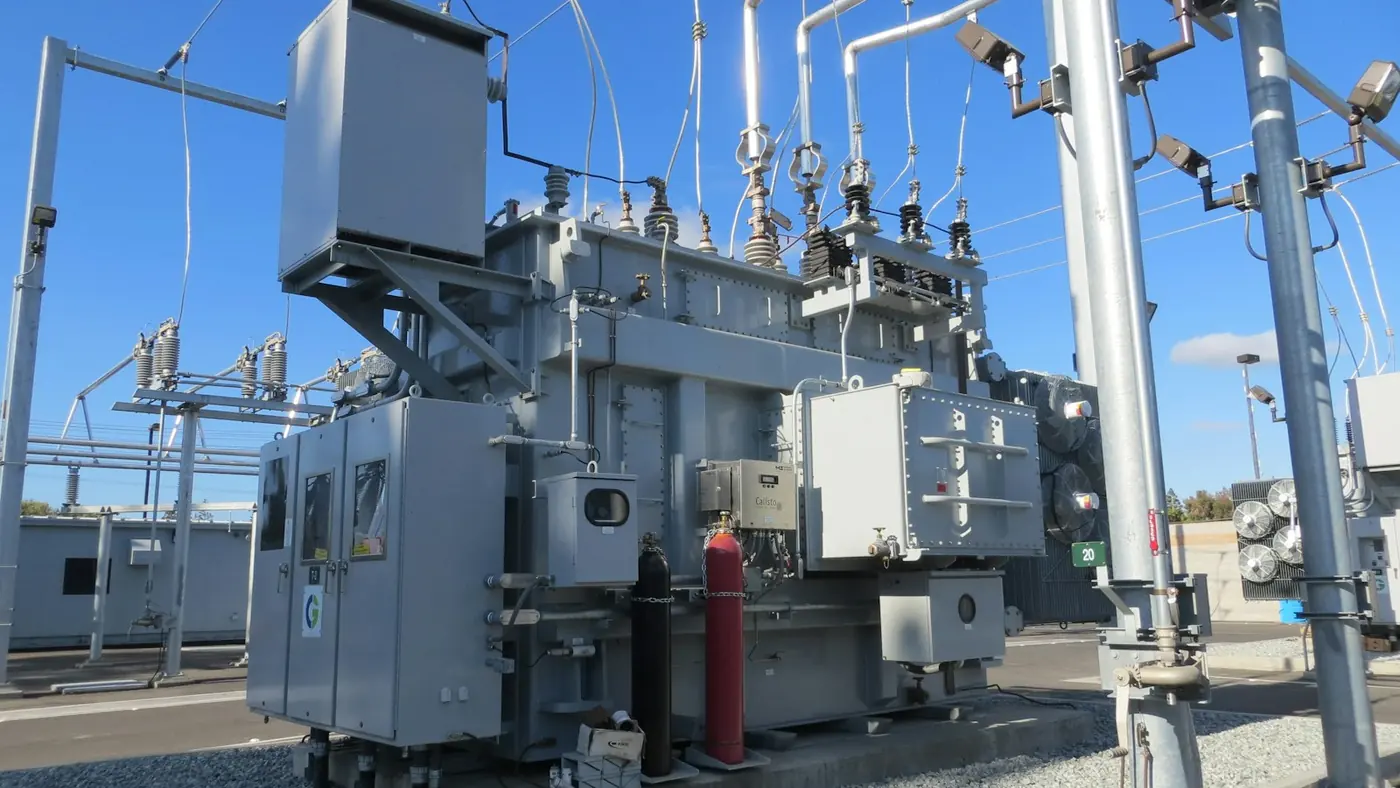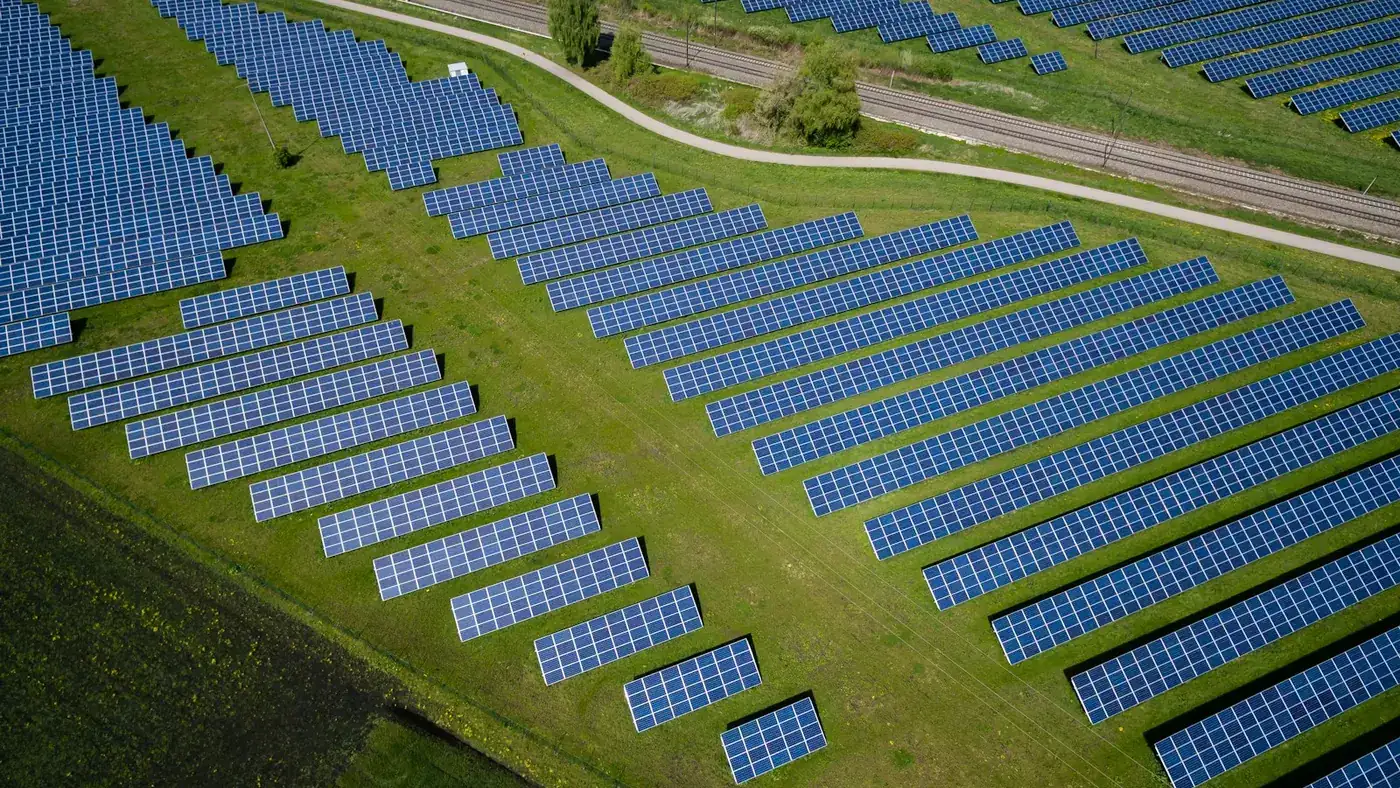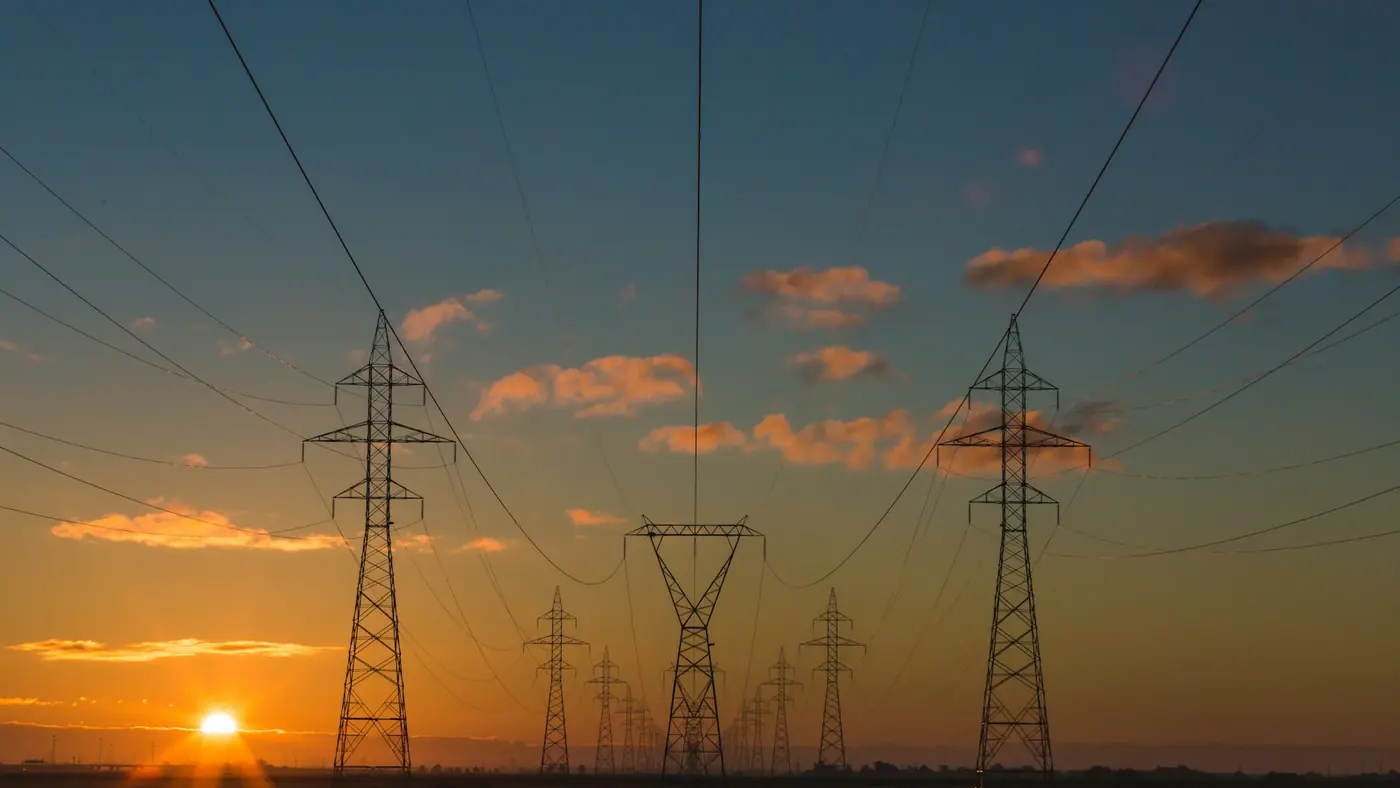
Once electricity enters the national grid, the electrons from a solar farm and a gas plant become impossible to tell apart. A company plugged into that grid cannot show which plant its power came from just by looking at the meter. Renewable energy certificates solve this problem, and in Egypt the certificate used is the I-REC.
One certificate, one megawatt-hour
An I-REC (International Renewable Energy Certificate) represents the environmental attributes of one megawatt-hour (MWh) of electricity produced by a renewable power plant. Each certificate carries a unique number and records:
- the plant that produced the electricity and its location
- the technology, such as solar, wind or hydro
- the period in which the electricity was produced (the vintage)
- the plant's commissioning date
Because every certificate is tracked in a central registry, each megawatt-hour can be claimed once, and only once.
How an I-REC is born
A renewable plant is first registered as a device in the registry. After each production period, its metered output is submitted and verified, and certificates are issued for the renewable megawatt-hours it generated. From that moment the certificates sit in the plant owner's registry account, ready to be sold.
How it reaches a company
Certificates move between registry accounts through a transfer. A buyer, or a trusted partner such as ecoVera acting for the buyer, receives the certificates and then redeems them (also called retirement or cancellation) in the name of the company that uses the electricity. Redemption takes the certificates out of circulation permanently and produces a redemption statement naming the beneficiary, the volume and the period covered.
What a company can say afterwards
With a valid redemption statement, a company can report that the redeemed volume of its electricity use was matched with renewable generation. Under the market-based method for Scope 2 emissions, that volume is reported with a renewable emission factor, which lowers the company's reported Scope 2 emissions. The same statement supports claims for RE100, CDP and sustainability reports.
What an I-REC is not
An I-REC is not a carbon credit and it does not offset emissions from fuel, transport or industrial processes. It is a claim about electricity, used for electricity-related reporting. Mixing the two is one of the most common mistakes in sustainability reports, and auditors look for it.
Why it matters in Egypt
Egypt produces a growing share of its electricity from solar, wind and hydro plants, and many of these plants can issue I-RECs. Exporters, multinationals and their suppliers in Egypt increasingly need certificates from local plants to meet group targets and customer requirements. Buying certificates issued in the same market where the electricity is consumed is also what most reporting frameworks expect.
If you are new to I-RECs, the simplest first step is to estimate your annual electricity use in megawatt-hours and decide which reporting period you want to cover. ecoVera can take it from there.